
Focused guide: scary books for kids
5 Scary Books for Kids: Prose Picks for Parents in 2026

The short answer
Adult selectors should compare publisher ages, the exact prose format and content boundaries. A child protagonist or familiar cover does not establish suitability.
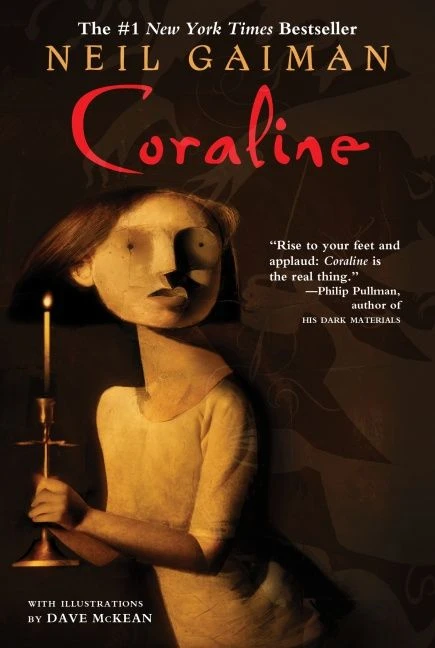
Coraline · An uncanny other home
A false parent threatens the real family.
Last updated
Contents8
- #1. Coraline: A familiar home made wrong
- #2. Small Spaces: A school trip into danger
- #3. The Graveyard Book: A protective place with a harsh beginning
- #4. The Jumbies: A folklore-led island threat
- #5. Doll Bones: Friendship and a disturbing journey
- Factors to consider when choosing scary books for kids
- FAQ: Adult selection decisions
- Verdict on scary books for kids
Our top 5 picks
 1An uncanny other homeCoraline
- Author: Neil Gaiman
- Publisher: HarperCollins
 2A supernatural tripSmall Spaces
- Publisher: Nancy Paulsen Books
- Linked edition: 256 pages
 3An unusual upbringingThe Graveyard Book
- Publisher: HarperCollins
- Linked paperback: 368 pages
 4A folklore adventureThe Jumbies
- Linked edition: 240 pages
- Publisher: Little, Brown Books for Young Readers
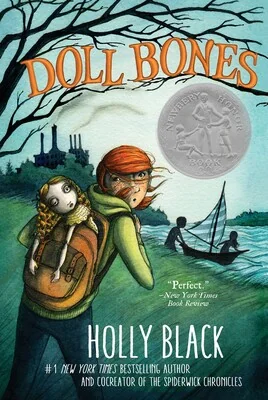 5A friendship-led mysteryDoll Bones
- Linked edition: 272 pages
- Publisher: Margaret K. McElderry Books
Scary books for kids need an adult's content choice as well as a reading-level match. Consider Coraline for an uncanny other home. Small Spaces offers a school-trip scare.
The Jumbies gives a folklore-led island story. The Graveyard Book begins with a much harsher family event. Doll Bones suits an older middle-grade request involving friendship and a troubling doll. Publisher ages are starting guidance, not a promise about each child's comfort.
#1. Coraline: A familiar home made wrong
Coraline Coraline
Our verdict:
An uncanny other home
An adult choosing an uncanny other-home story.
View at HarperCollins- Author: Neil Gaiman
- Publisher: HarperCollins
Book facts: publisher record · checked
Keep in mind: A false parent threatens the real family.
Neil Gaiman's story sends Coraline through a door into a version of home that offers more than it should. The publisher's Coraline page names the work and its formats. The fit is the way something familiar becomes untrustworthy, rather than a promise of a harmless adventure.
First decide if a false parent and a threat to the real family are acceptable subjects. A reader may enjoy a strange creature while finding that domestic premise much harder. Do not use the book's familiar name or an adaptation's style as the whole content check.
The chosen product is the prose book. A graphic adaptation is a separate version with different visual detail and contributors. Check the format before buying, especially if the amount of shown imagery matters as much as the reading difficulty.
#2. Small Spaces: A school trip into danger
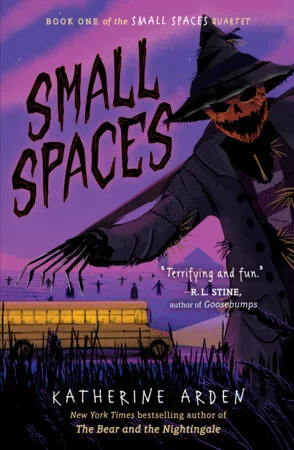
Small Spaces Small Spaces
Our verdict:
A supernatural trip
An adult choosing a school-trip scare.
View at Penguin Random House- Publisher: Nancy Paulsen Books
- Linked edition: 256 pages
Book facts: publisher record · checked
Keep in mind: Grief and threatening scarecrows need a check.
Katherine Arden's Small Spaces turns a school trip and a bus problem into something more threatening. The publisher record lists the age guidance and names it as the first Small Spaces volume. Choose it when the reader wants an adventure with peers and an uncanny danger.
The entry differs from Coraline. This story starts outside the home and involves a group. That differs from a false welcome inside a home. That difference can help an adult choose between two books that might otherwise sit under the same broad scary-reading label.
It also starts a sequence. Begin with Small Spaces before later titles rather than buy a later installment because its cover seems less intense. A series number helps with order. It does not show that each book has the same content or level of threat.
#3. The Graveyard Book: A protective place with a harsh beginning
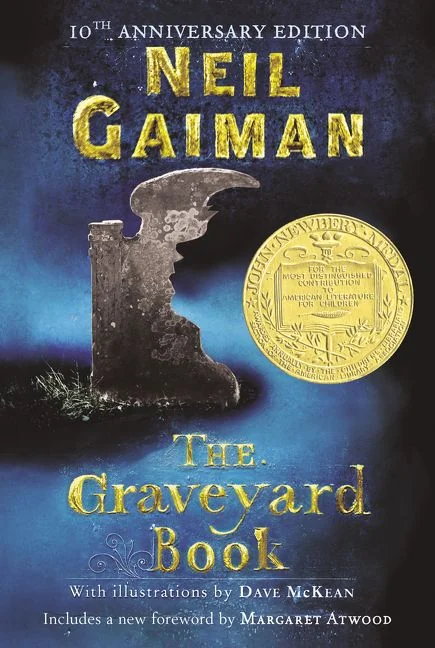
The Graveyard Book The Graveyard Book
Our verdict:
An unusual upbringing
An adult choosing an unusual upbringing.
View at HarperCollins- Publisher: HarperCollins
- Linked paperback: 368 pages
Book facts: publisher record · checked
Keep in mind: The opening includes the murder of family members.
The boy called Bod grows up in a graveyard with unusual protectors. The publisher's Graveyard Book record names the prose work and other formats. The unusual community is part of the appeal, but the beginning should remain visible in an adult's decision.
Do not recommend it simply as a friendly story with ghosts. The event that makes the graveyard a home involves a murdered family. Screen the opening if the reader wants to avoid family loss or violence. The later setting does not remove that first event.
The selected card is for the prose novel, not the separately credited graphic adaptation. A book can include some illustrations while remaining prose. Check the exact edition and a sample. This helps if the amount of visual detail matters to the choice.
#4. The Jumbies: A folklore-led island threat
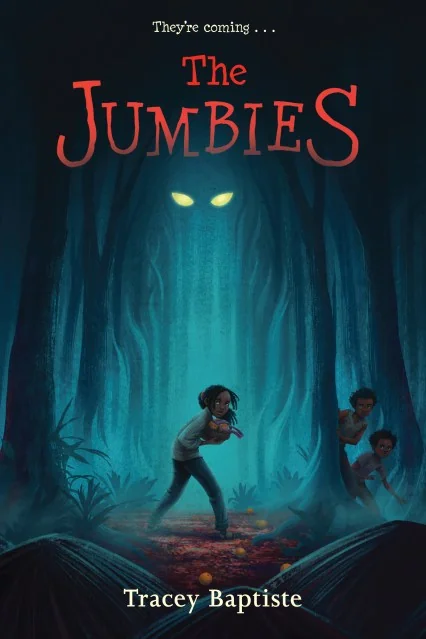
The Jumbies The Jumbies
Our verdict:
A folklore adventure
An adult choosing Caribbean folklore.
View at Hachette- Linked edition: 240 pages
- Publisher: Little, Brown Books for Young Readers
Book facts: publisher record · checked
Keep in mind: Family danger and a threatening figure need screening.
Tracey Baptiste's novel brings Corinne into conflict with a threat beyond nature tied to the forest. The publisher's Jumbies page names the work and its reading band. Choose it when the folklore frame is a positive reason for the list.
This gives an adult another route beyond a haunted house or a school trip. The setting and source of the strange matter to the story. Do not reduce the setting to a promise of exotic monsters. Use the book's own description to make the choice.
Start with this first novel before later Jumbies titles. A series bundle is not necessary for a first try. Check the family threat in a sample or content note. This matters if a parent's safety is a firm boundary.
#5. Doll Bones: Friendship and a disturbing journey
Doll Bones Doll Bones
Our verdict:
A friendship-led mystery
An adult choosing friendship and a troubling doll.
View at Simon & Schuster- Linked edition: 272 pages
- Publisher: Margaret K. McElderry Books
Book facts: publisher record · checked
Keep in mind: Death-related material and the doll need a check.
Holly Black brings friends and their shared play into a journey involving a doll. The publisher's Doll Bones record names the prose edition and its age range. Choose it when friendship and growing apart are as relevant to the request as the possible haunting.
The doll is a reason to screen the book. It does not make the story fit the youngest child who plays with dolls. A familiar object can be the source of dread. The publisher's range places this choice differently from several other books on the list.
Use the opening and the content description together. A child who wants an adventure among friends may find the death-related material harder than the journey. A different reader may prefer that uncertainty to a more explicit monster. Neither response can be predicted from reading skill alone.
Factors to consider when choosing scary books for kids
Use the publisher bands as a first filter
These are publisher audience labels for the selected works or editions. They do not measure fear or set a school placement. They cannot show what every reader in the range wants.
| Book | Publisher guidance | First content check |
|---|---|---|
| Coraline | Band not confirmed on the accessible publisher page; preview this prose edition | An imitation parent and danger to the real family. |
| Small Spaces | Age 10 and up; Grade 5 and up; Penguin Young Readers | Grief and a supernatural threat during a school trip. |
| The Graveyard Book | Band not confirmed on the accessible publisher page; preview this prose edition | The opening murder of family members. |
| The Jumbies | Ages 9–12; Hachette's current title record | A threatening figure and family-related danger. |
| Doll Bones | Ages 10–14; Grades 5–9; Simon & Schuster | Death-related material and a troubling doll. |
Scroll for more →
Choose the subject boundary separately from reading ability
A fluent reader may still dislike a story about a parent's danger. A reader who needs help with the prose may enjoy a spooky adventure when an adult reads it with them. Those are different decisions. Use a sample to assess the text, and a focused theme check to assess the content.
Keep the check ordinary and optional. Ask what kind of story the reader wants and offer an easy way to stop or choose another book. There is no need to collect personal fears, family history or a child's name to make the list.
Preview the exact format
The Coraline and Graveyard Book selections here are prose. Their graphic adaptations are different products. Illustrations, narration and the speed of an audiobook can change how a scene is encountered. A familiar title does not show that two formats are the same for a content boundary.
If you want Alvin Schwartz's collections, use the Scary Stories to Tell in the Dark edition comparison. It distinguishes the separate books, collected versions and illustrations. That is a separate edition task from choosing one of the prose novels here.
Keep a first choice manageable
Select one work before buying a series set. Small Spaces and The Jumbies give starting points for their respective sequences. Choosing the first volume lets the reader decide whether to continue. A boxed set can wait until there is a known reading plan.
For an older category, the YA horror reading guide is addressed to adult selectors too. A child protagonist in an adult horror novel does not show a middle-grade audience. This page's publisher bands are deliberately kept apart from the adult lists elsewhere on the site.
FAQ: Adult selection decisions
Which scary book should an adult choose first?
Choose by the reader's requested subject and a content screen. Coraline uses a wrong version of home, while Small Spaces uses a group adventure outside it. The publisher's reading range is a first filter, not the final answer. Preview the premise and prose before deciding which kind of threat is acceptable.
Do publisher ages mean every child in that band will enjoy the book?
No. They describe a target age group and reading context, not an individual response to fear or loss. A reader's fluency and content comfort can differ. Use a sample and a focused check of relevant themes. There is no need to ask a child to reveal personal experiences to justify a different choice.
Are the illustrated versions the same as graphic adaptations?
Not necessarily. A prose novel can include illustrations without becoming a graphic adaptation. A separately credited graphic version changes the way the story is presented. Check the full product title, format and contributors before buying, particularly when shown imagery is part of the adult's reason for screening the edition.
Is a child character enough to identify a children's book?
No. Adult horror can place children at the center of severe material. Use the publisher's audience guidance and the work's actual content rather than the lead's age alone. The books on this page are selected for a middle-grade task, with older guidance stated where it applies and adult selectors making the decision.
Verdict on scary books for kids
Choose one premise, check its publisher band, and preview the exact format. Scary books for kids work best as an adult selection that leaves room for a reader to decline. Small Spaces, The Jumbies and Coraline start in different ways. Choose the subject and prose that fit the reader's request.