
5 Gothic horror novels for atmosphere and dread in 2026
As an Amazon Associate, this website earns from qualifying purchases.

The short answer
Choose Hill House for an uncertain haunting, Mexican Gothic for family power or What Moves the Dead for bodily decay. Rebecca offers a suspense-led boundary choice.
Last updated
Contents9
- #1. The Haunting of Hill House: The house and the outsider
- #2. Mexican Gothic: A dangerous family welcome
- #3. Rebecca: A home ruled by an absent person
- #4. The Turn of the Screw: A narrator whose certainty matters
- #5. What Moves the Dead: A shorter visit to decay
- Factors to consider when choosing Gothic horror novels
- More in this guide
- FAQ: Gothic reading choices
- Verdict on Gothic horror novels
Our top 5 picks
- 1A hostile house
 The Haunting of Hill House
- Novel by Shirley Jackson
- Visitors investigate a reputedly haunted house
- Penguin Classics print edition
- 2Power inside a family
 Mexican Gothic
- Novel by Silvia Moreno-Garcia
- Noemí visits her cousin at High Place
- English-language print edition
- 3Domestic suspense
 Rebecca
- Novel by Daphne du Maurier
- A new wife enters Manderley
- Little, Brown print edition
- 4Uncertain testimony
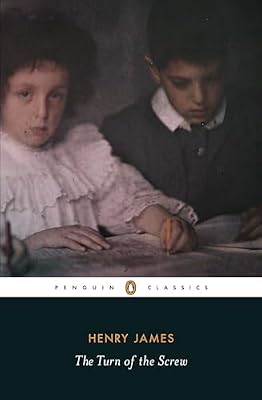 The Turn of the Screw
- Novella by Henry James
- A governess at a country estate
- Penguin Classics print edition
- 5Bodily Gothic unease
 What Moves the Dead
- Novella by T. Kingfisher
- Alex Easton visits a dying friend
- First Sworn Soldier volume
Gothic horror novels make a place, a family or a buried history feel hard to escape. Choose The Haunting of Hill House for a troubled visitor and a hostile-seeming house, Mexican Gothic for a family whose welcome conceals danger, or What Moves the Dead for a shorter, physical kind of decay. Rebecca and The Turn of the Screw belong here as different ways of making trust unstable. Neither should be bought on a promise of simple monster action.
#1. The Haunting of Hill House: The house and the outsider
The Haunting of Hill House The Haunting of Hill House
Our verdict:
A hostile house
An outsider and an uncertain house.
View on Amazon- Novel by Shirley Jackson
- Visitors investigate a reputedly haunted house
- Penguin Classics print edition
Keep in mind: Do not expect every strange event to be explained.
Shirley Jackson brings a small group to a house with a troubling reputation. Eleanor arrives with hopes that make the visit personal. The publisher's Hill House record supports that starting situation. The reason to choose the book is the meeting between the place and the person entering it.
The choice suits a reader who wants to watch a welcome become uncertain. A room can offer shelter and still feel wrong. A group can seem like a chance at a new life and still make someone feel more alone. Those are useful questions to bring to this novel without needing an answer to the haunting in advance.
Choose this above What Moves the Dead if you prefer uncertainty about perception to a more bodily starting threat. Choose What Moves the Dead if visible decay is the detail you want to follow. Both use a dangerous place, but the reading taste is different.
The drawback is part of the fit. If you need a clear set of rules for the supernatural, this may frustrate you. A question left open can be the source of dread rather than an error waiting for a final correction. Read a sample to see whether Jackson's voice suits the pace you want.
The card names a Penguin print edition of Jackson's novel. An edition with a new introduction can place an essay before the text. Save that introduction until afterward if it discusses the ending. The book and a screen adaptation are separate versions; this guide recommends the novel.
#2. Mexican Gothic: A dangerous family welcome
Mexican Gothic Mexican Gothic
Our verdict:
Power inside a family
Family power in a Gothic house.
View on Amazon- Novel by Silvia Moreno-Garcia
- Noemí visits her cousin at High Place
- English-language print edition
Keep in mind: Coercion and bodily harm make this a harsh choice.
Silvia Moreno-Garcia's novel sends Noemí Taboada to High Place after a worrying letter from her cousin. The house and the family inside it become the problem. The publisher's Mexican Gothic description names the setting and the outsider's task. Knowing that task is enough to make a first choice.
The book belongs on this list because Gothic power can be social as well as architectural. Being a guest can limit what a person is allowed to ask. A family can call control a form of care. A reader drawn to those pressures has a more precise reason to choose this novel than simply liking a dark old house.
Compared with Hill House, the entry point is a visit made for someone else's sake. Compared with Rebecca, it is useful for a reader seeking horror with more bodily threat. That does not make the books the same. Choose the source of discomfort you want to spend time with.
The content boundary matters. A beautiful house or period setting does not make a story mild. If coercion, family control or the body becoming unsafe is a firm limit, screen a detailed content resource or sample before buying. This is adult horror, not a choice for a young reader based on the age of a person.
The chosen edition is the English-language print novel. Check that language at the retailer, since translated editions can share the same title and similar cover designs. If you prefer listening, the horror audiobook selection names recordings by narrator rather than treat all versions as one product.
#3. Rebecca: A home ruled by an absent person
Rebecca Rebecca
Our verdict:
Domestic suspense
Marriage under an absent wife's shadow.
View on Amazon- Novel by Daphne du Maurier
- A new wife enters Manderley
- Little, Brown print edition
Keep in mind: This is suspense; do not expect literal ghost attacks.
Daphne du Maurier's Rebecca centers a new wife entering Manderley, where the memory of her husband's first wife remains powerful. The publisher's edition record supplies the work and format. The dead person's continuing social presence is the key to the reading fit.
Choose it if being compared with someone you cannot meet sounds more troubling than a creature in a corridor. The house carries standards and loyalties, as well as memories the newcomer does not control. You can follow those pressures without treating every Gothic book as a literal ghost story.
That difference is why the limit is visible on the card. A reader looking for direct supernatural attacks may be better served by another choice. A reader who likes uncertain motives and the cost of entering a settled household may prefer this one. The title's reputation should not replace that decision.
It can also work as a bridge from suspense into Gothic reading. You are not asked to learn a large invented world first. You are asked to notice who can speak with confidence, who already belongs, and whose version of the past has become the household's rule.
Keep a synopsis short before reading. The starting arrangement gives enough facts to choose the book. A plot explanation that settles its secrets is a poor substitute for a sample of du Maurier's voice. For more bond-led choices, compare Gothic romance books, where the difference between love and possession, with danger close by is part of the list.
#4. The Turn of the Screw: A narrator whose certainty matters
The Turn of the Screw The Turn of the Screw
Our verdict:
Uncertain testimony
A haunting told by a doubtful witness.
View on Amazon- Novella by Henry James
- A governess at a country estate
- Penguin Classics print edition
Keep in mind: The older prose and open reading need patience.
Henry James gives a governess responsibility for children at a country estate. What she sees, what she believes and what the reader can show are not the same thing. The Penguin edition record names the text. The need to weigh the evidence is a reason to choose it, rather than a small warning after the fact.
This is the best match here when you want to discuss the evidence of a haunting. Notice the difference between an event, a report of an event and an explanation placed upon it. You do not need to decide in advance which reading will win. Holding more than one reading in mind is part of the task.
Compared with Mexican Gothic, this list is less useful if your main request is a bodily threat you can name early. Compared with Rebecca, the teller's certainty has a different role. Both invite attention to what can be known, but neither needs to be reduced to a puzzle with one purchased answer.
The children are part of the stakes. That does not make this a book for children. A child in the plot is not an age band. Fear for a child's safety can be a stronger limit than a scene of injury.
The prose comes from an earlier period and can demand slower reading. If a sample feels too dense, choose What Moves the Dead for a shorter modern route into a decaying estate. You can return to James later without having missed a required first step in the genre.
#5. What Moves the Dead: A shorter visit to decay
What Moves the Dead What Moves the Dead
Our verdict:
Bodily Gothic unease
A shorter visit to bodily decay.
View on Amazon- Novella by T. Kingfisher
- Alex Easton visits a dying friend
- First Sworn Soldier volume
Keep in mind: Fungal imagery and bodily change are key cautions.
T. Kingfisher reworks the premise of Poe's House of Usher through Alex Easton's visit to a dying friend. The publisher's What Moves the Dead page names the work as the first Sworn Soldier volume. Its fit is the uneasy link between the estate, its surroundings and the body.
Choose it if you want a shorter work while keeping a concrete source of disgust and wrongness. A brief time spent reading can still carry strong material. Length is useful for planning an evening; it is not a reliable guide to how much a premise might disturb you.
The comparison with James is helpful. The Turn of the Screw asks you to weigh testimony. What Moves the Dead makes the material world itself feel untrustworthy. Choose between them by the kind of attention you want to give, rather than treat an older and a newer book as the same experience at different reading speeds.
Knowing Poe's story can add another layer, but you do not need to buy or read it first. You can begin with Kingfisher's work and explore the reference afterward. This first book also provides a starting point before the later Sworn Soldier titles. Check the volume number when ordering from a series page.
If fungal imagery or bodily change is outside your limits, pick another route. If it is the reason you are interested, the body horror guide distinguishes physical change from the amount of gore. Those are separate choices, even within a Gothic setting.
Factors to consider when choosing Gothic horror novels
Decide what makes the place dangerous
Start with the job the setting does. Hill House makes a visitor's wish to belong part of the danger. Mexican Gothic puts a guest inside a family's power. Rebecca makes an established household hard for a newcomer to read. The same broad label covers three different reasons to feel trapped.
A castle or graveyard is a visible clue. So is an old house. It is not enough by itself. A book can have those objects and still give you a cheerful adventure. Ask what the setting prevents a person from doing: leaving, being believed, learning the past, or keeping control of the body.
That question also helps you choose a setting beyond the familiar country estate. A modern home, a town or an institution can place someone under similar pressure. The modern Gothic novels guide follows changes in who owns the house, who enters it and who gets to describe its history.
Choose how much uncertainty you want
Some readers enjoy not knowing whether an event has a supernatural cause. Others want the book to make its threat more concrete. Neither taste is a failure to appreciate atmosphere. It is a useful choice about the reading experience you want now.
Begin with The Turn of the Screw when competing explanations are part of the appeal. Try What Moves the Dead when you want the body's material condition to be closer to the surface. Choose Rebecca when human motives and a household's loyalties are more interesting than a clear ghost source.
Do not use a review's claim that a book is slow as a complete buying reason. Slowness can describe very different things: dense sentences, a delayed threat, a narrow viewpoint or careful social observation. A sample will tell you more about sentence-level fit than a generic pace label.
Separate Gothic horror from Gothic romance
The categories overlap, but a bond in a dark house does not guarantee the same kind of ending or personal focus as a genre romance. Rebecca is included for domestic suspense and unease. It is not a promise of a comforting courtship. Mexican Gothic also needs its coercive power to remain visible in the decision.
If a hopeful bond ending is a firm requirement, check that need directly before buying. A retailer's broad Gothic label does not settle it. Our Gothic romance selection distinguishes romance from tragedy and suspense. The horror romance selection deals more directly with love entangled with a threatening body or bond.
Keep content cautions and spoilers apart
You can know that a work has child danger or coercion, as well as bodily decay without learning the solution to its mystery. Use that difference when asking for a content check. State the boundary you need screened, rather than asking someone to explain the whole ending.
The notes on this page are selective. They name the most relevant cautions supported by the sources used for the choice. They do not certify the absence of every other difficult theme. If a given subject matters, check the exact work and version rather than treat a short card as a complete inventory.
Check the edition, then start with the text
The cards point to exact print editions. The product catalog confirms the work names; the named publishers support the premises and edition details. A cover image is not being used as proof of contents. Images of reading rooms are illustrative settings, not photographs of these exact copies.
Introductions, afterwords and discussion notes can be useful after reading. They can also reveal an ending before the first chapter. Check the contents and move to the opening text if that matters to you. Page counts differ between editions because the physical layout and added material can differ.
More in this guide
- Classic Gothic novels for an older reading route.
- Modern Gothic novels for later changes to the form.
- Gothic thriller novels for suspense-led choices.
Gothic fantasy novels places the fantastic more openly in the story. Southern Gothic literature follows a different regional and social context. Return to Horror Books to choose a different kind of fear, or use books like Frankenstein for a read-alike route.
Match a request to the right kind of house
Suppose you want the house to feel like a person in the story. Begin with Hill House. The visitor's wish for a home matters as much as the rooms.
If you want a family to wield power through the house, begin with Mexican Gothic. High Place is not just a place to hide a monster. It is where a guest has to deal with the people who set the rules.
For a different request, think about a home that seems full of someone who is dead. Rebecca offers that pressure through memory and rank within a household. You do not need to expect a ghost at the door for an absent wife to shape the new wife's life. This makes it a useful choice for a reader coming from domestic suspense. It makes it a weaker fit for a reader whose firm request is a visible supernatural attack.
Now change the request to a place in decay. What Moves the Dead brings the body's state close to the state of the estate. Choose it when that link is the source of interest.
The same link is a reason to skip it when fungal or bodily detail is a firm limit. A house can be a trap in all three examples. Yet it traps people in different ways.
Choose what you want to talk about afterward
For a book group, the open question can be part of the appeal. The Turn of the Screw gives readers a reason to compare what a teller reports with what can be known. A group need not agree on one answer for that to be a useful discussion. Choose a work with that kind of open reading if your group enjoys weighing evidence. Skip that route if the group wants a threat whose cause is settled.
With Rebecca, a useful subject is who gets to define a home. Notice the difference between being allowed inside and being able to shape its rules. That is a different discussion from proving a ghost exists.
With Mexican Gothic, the guest's task gives a way to discuss care and control. Those topics follow from the opening premises. They do not require a plot summary that settles the books' secrets before anyone begins.
Set a spoiler boundary before the first meeting. One option is to discuss only the opening premise until everyone has finished. Another is to warn that introductions and jacket essays may go further. There is no need to choose a whole course of classics in advance. Try one text whose voice and central question suit the group, then use the response to choose the next.
Use a sample for more than pace
A sample can help you judge how much a sentence asks you to hold in mind. Try a page of James before assuming that a shorter work will be a quicker read. Compare that with a page from a modern choice. The point is to find a voice you want to stay with. It is not to sort readers into those who can or cannot handle a classic.
You can also use the sample to notice distance. A teller may seem close to a person's thoughts, or may leave room for the reader to doubt the account. That distance can be a source of fear. If you want a clear view of an external threat, a close but doubtful account may feel less satisfying. Keep that taste beside the premise when you choose.
The sample cannot screen every later scene. Use it for voice and form, then use a focused content check for a firm boundary. Do not make a broad no-gore claim from a quiet opening. Nor should one strong scene in a content note imply that every page has the same tone. Both checks become more useful when they answer a precise reading need.
FAQ: Gothic reading choices
What makes a novel Gothic horror?
Here, place and the past restrict what a person can know or do. A house, family or inherited rule becomes a source of dread. A literal ghost is one possible means, not a need. The fit notes distinguish that atmosphere from a promise of frequent attacks or explicit gore.
Do Gothic horror novels always have ghosts?
No. Rebecca is included here for human motives and a household shaped by an absent person. Other choices make the supernatural more central. Read the stated premise rather than infer a ghost from the setting. If a literal haunting is your main request, use the supernatural route and screen each selection.
Which choice is useful for a short first read?
What Moves the Dead offers a shorter modern route, with bodily decay central to its appeal. The Turn of the Screw is also short, but its older prose and uncertain evidence ask for close attention. Choose by subject and voice as well as length: fewer pages do not guarantee an easier or gentler read.
Can I read the modern books before the classics?
Yes. This is a set of entry choices, not a required course. You can begin with Mexican Gothic or What Moves the Dead and explore older references afterward. Knowing a source text can add interest, but a reading history is not a ticket you need before trying a new novel.
Verdict on Gothic horror novels
Choose Hill House for the meeting of a troubled visitor and a hostile place. Choose Mexican Gothic for family power, or What Moves the Dead for a shorter encounter with physical decay. The most useful Gothic horror novels for your next read are the ones whose uncertainty and content match what you actually want from dread.